Volume I  ·  2026

The Journal

A journal of collecting, interiors, and the art of living extraordinarily.

All Collecting Interiors Travel Craft Parnham James Perkins
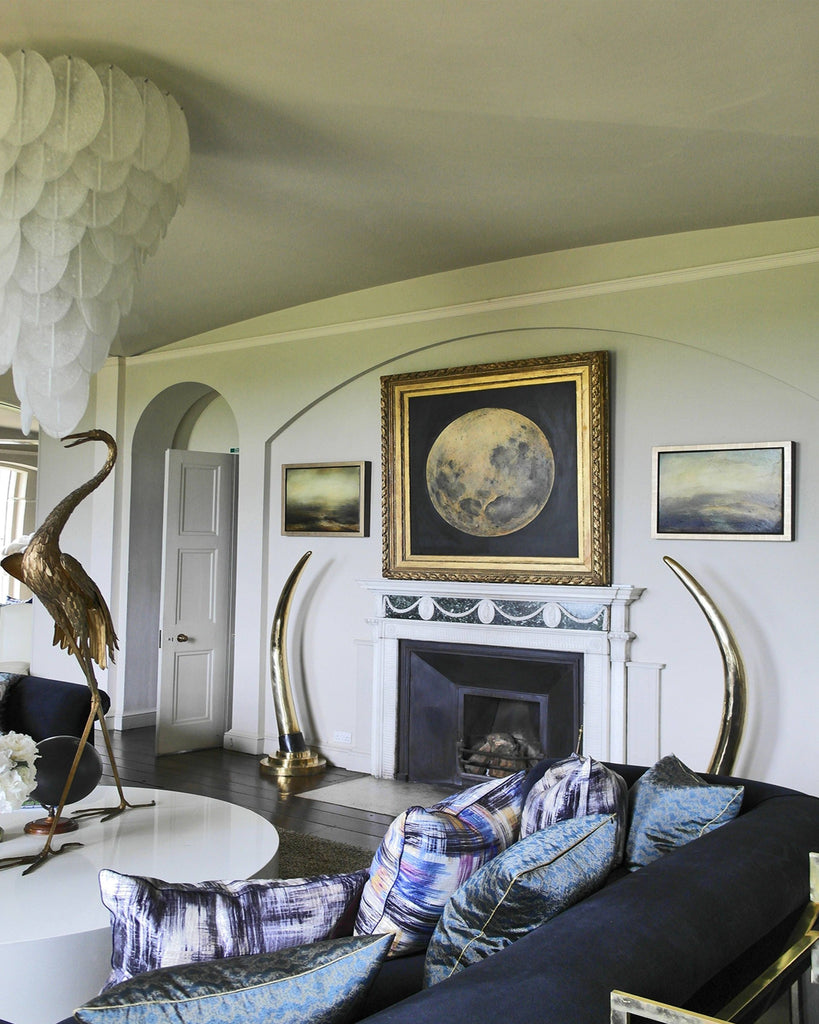
Parnham Park — the great room

No. 001

Collecting

A Cabinet of Curiosities: The Art of Collecting Without Rules

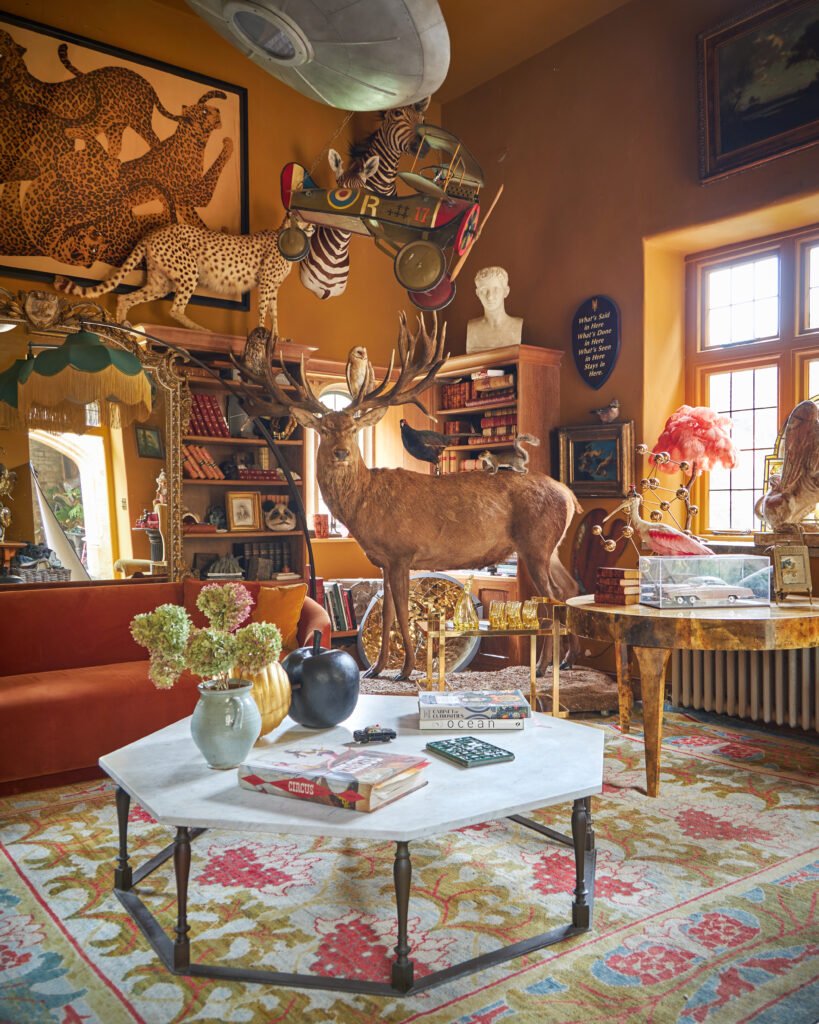
James Perkins has spent a lifetime acquiring the extraordinary — not by category or period, but by instinct. From a Jurassic ichthyosaur to a pair of Louis Vuitton trunks, the collection at Parnham defies every convention of the interior.

James Perkins  ·  May 2026

Read

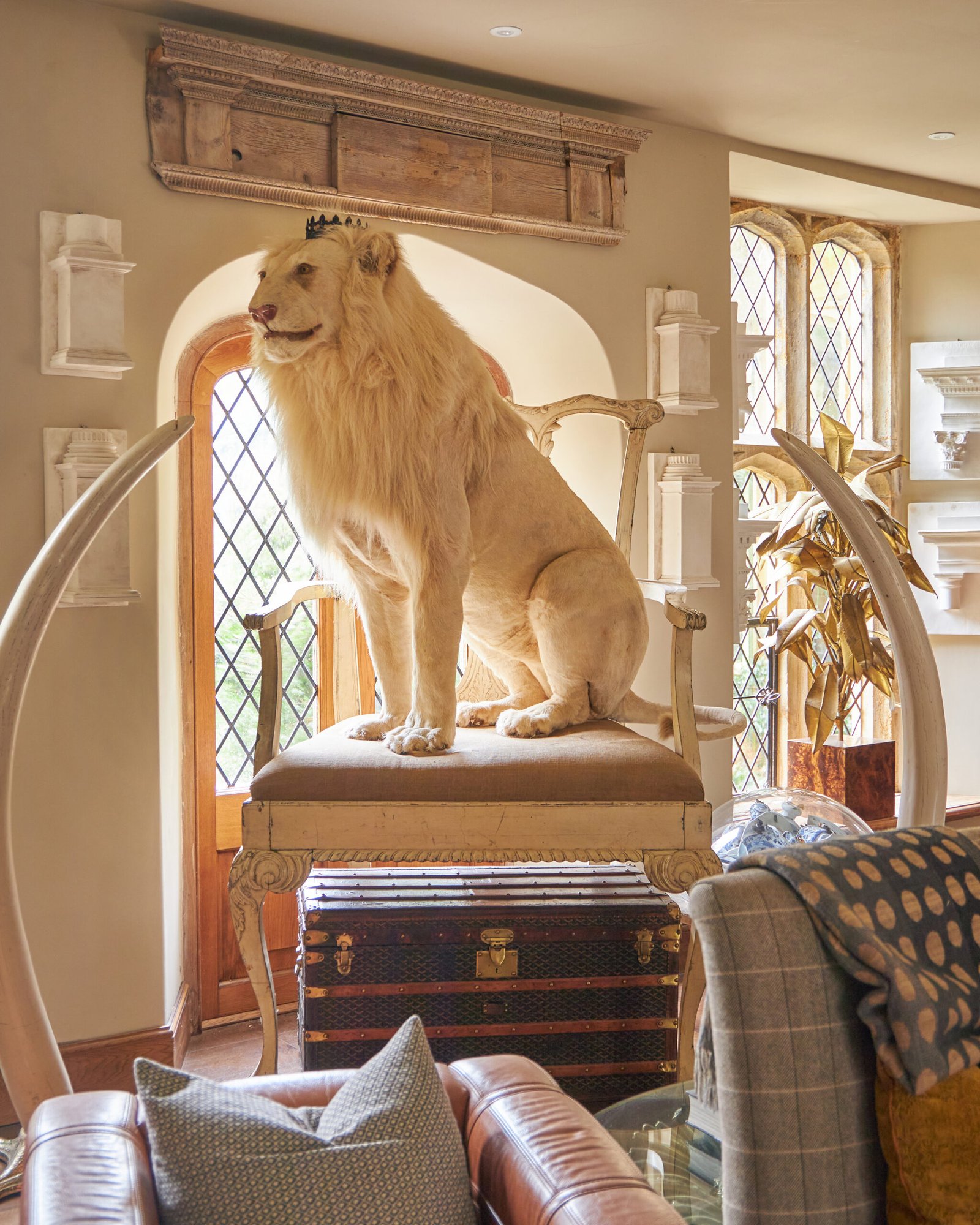
The great rooms of Parnham are not curated in any conventional sense. There is no single period, no dominant palette, no overriding aesthetic thesis. What there is, instead, is a quality of attention — a sense that every object in every room has been looked at very carefully before being placed, and that the looking has never quite stopped.

James Perkins began collecting in his twenties, when he bought a Victorian taxidermy case from a market in Portobello Road. He did not know, at the time, that he was beginning anything. He simply liked it. The case contained a kingfisher, a wren, and something that might have been a warbler, arranged on a branch of artificial moss. He still has it. It sits in the library at Parnham, next to a Jurassic ammonite the size of a dinner plate and a small bronze by an artist whose name he has forgotten.

This is how the collection works. Not by category or period, not by value or provenance, but by a kind of instinct that has been refined over decades of looking. The ichthyosaur came from a fossil dealer in Lyme Regis. The pair of Louis Vuitton trunks — monogrammed, battered, magnificent — came from a house sale in the Loire. The flying giraffe came from his own studio. Each arrived because it was right, and because being right was the only criterion that mattered.

What the collection teaches, if it teaches anything, is that the rules of the interior are not rules at all. They are habits. And habits, unlike rules, can be broken without consequence — provided you break them with conviction.
Parnham Park interior detail

Interiors

The Rooms That Changed Everything

On the interiors of Parnham Park — where every surface tells a story and nothing is quite what it seems.

April 2026

Full Moon sculpture by James Perkins

James Perkins

Full Moon: The Sculpture That Started It All

The story behind James Perkins’ most iconic work — cast in bronze, lit from within, and born from a night on the Jurassic Coast.

March 2026

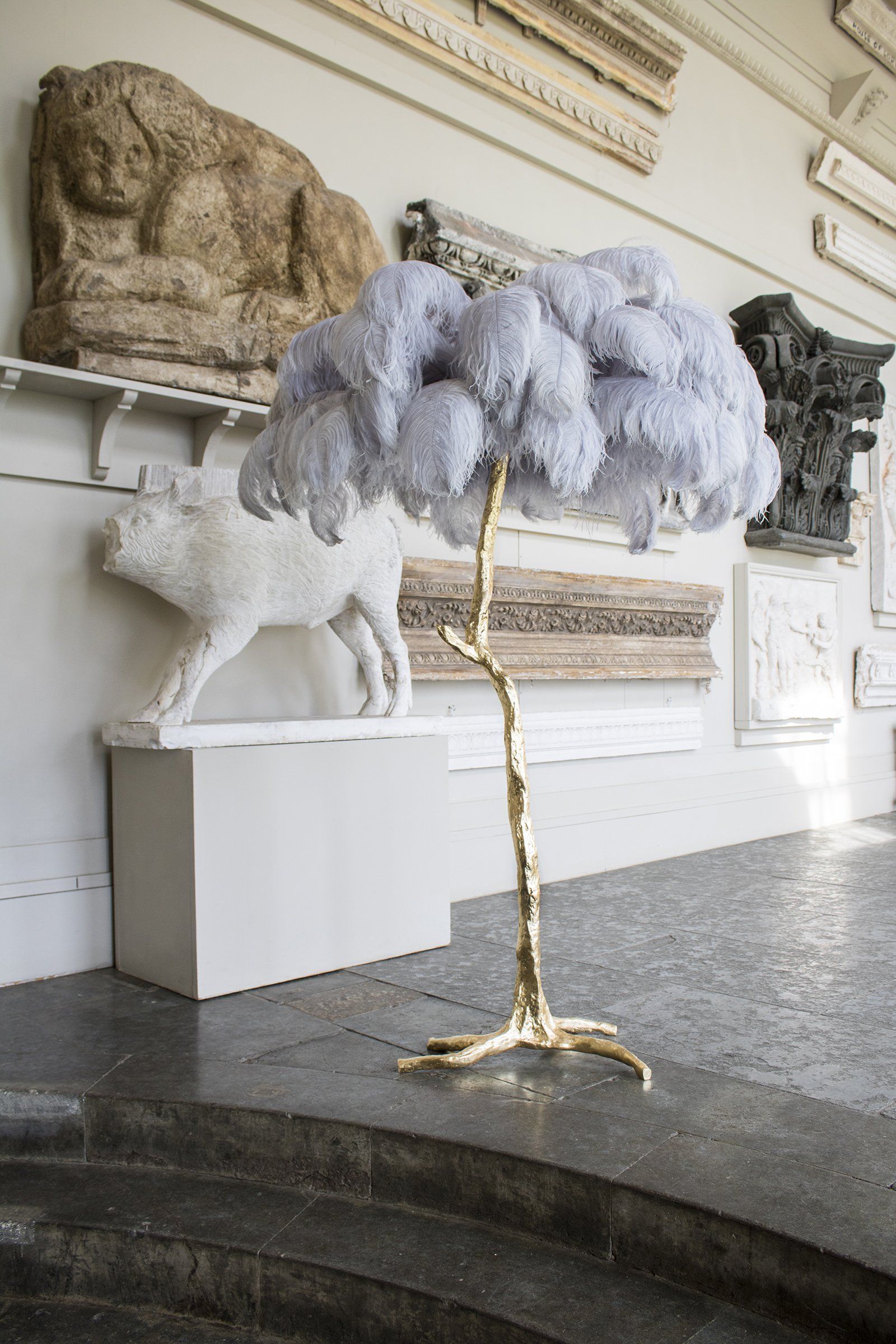
Feather lamp at Parnham

Craft

Light as Object: On the Art of the Statement Lamp

From amber glass lanterns to the Feather Lamp — why the most considered interiors are defined by how they choose to illuminate.

February 2026

No. 004

Parnham

The Jurassic Coast and the House That Holds It

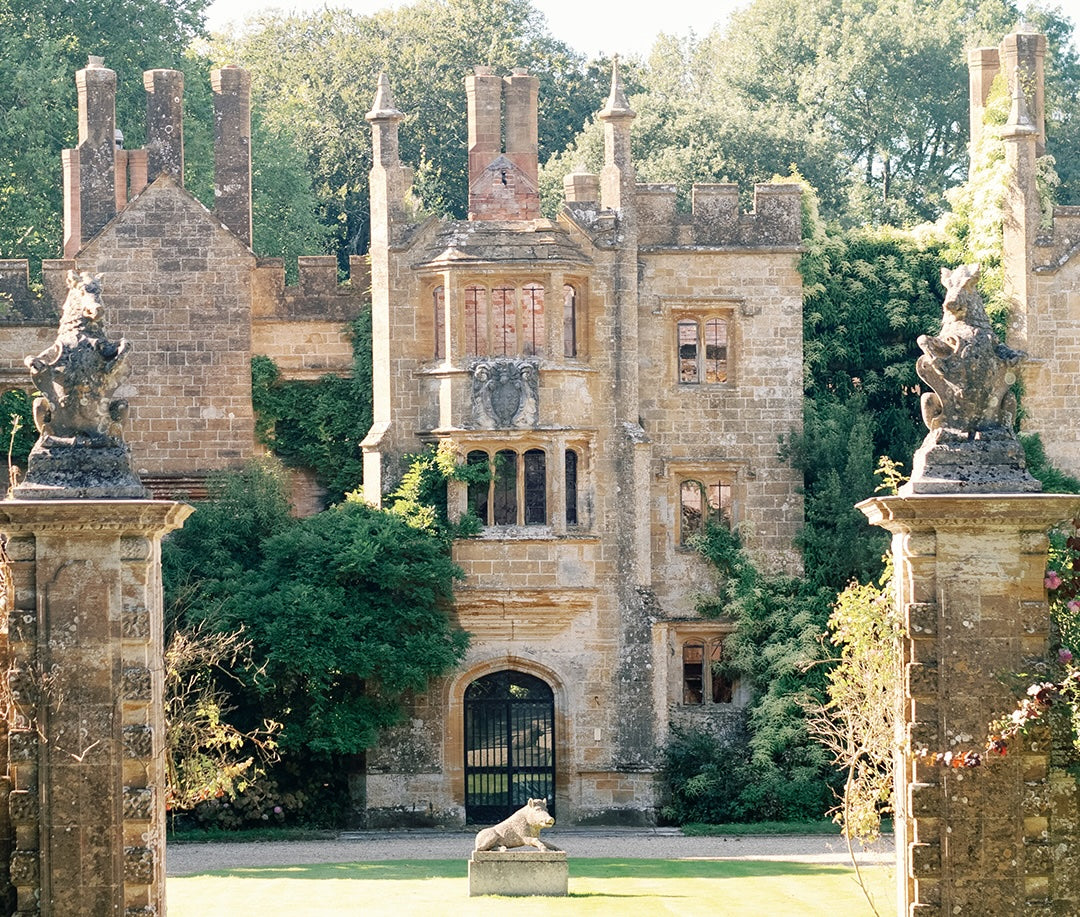
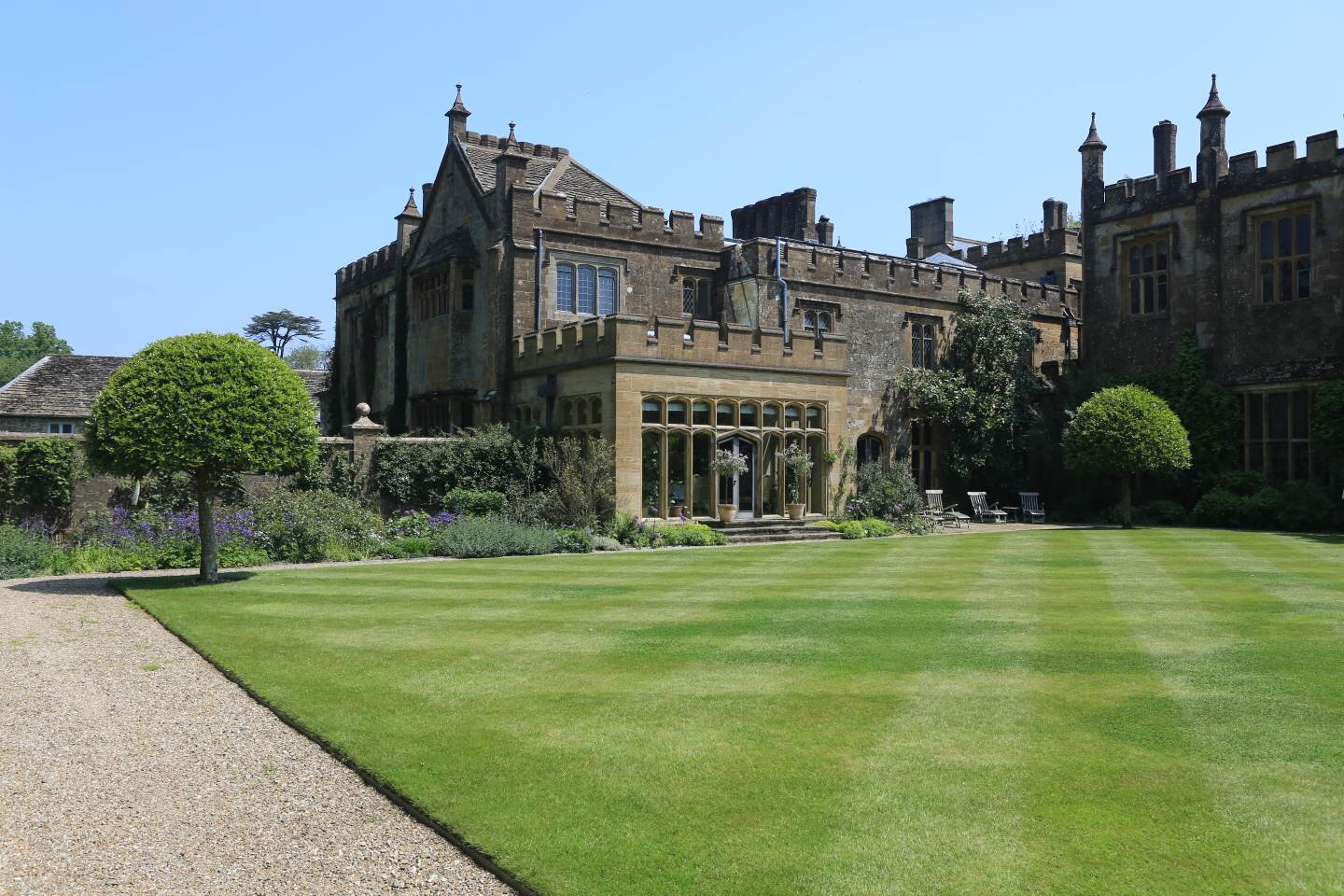
Parnham Park sits above the Dorset coast like a folly that forgot to be modest. Built in the 16th century, restored in the 20th, and reimagined in the 21st — it is the kind of house that accumulates meaning the way it accumulates objects: slowly, deliberately, and with great conviction.

Read

Parnham Park was built in the sixteenth century, extended in the seventeenth, and left largely alone for most of the twentieth. It is the kind of house that accumulates meaning the way it accumulates objects: slowly, deliberately, and with great conviction. The stone is the colour of old honey. The windows are tall and slightly irregular. The drive approaches through a stand of ancient limes that were planted, according to local tradition, to celebrate a victory at sea.

James Perkins bought it in 2019, when it had been empty for several years and was in a state of what estate agents call “significant potential.” He saw something in it that others had missed — not the potential for renovation, but the potential for meaning. A house, he has said, is not a container for objects. It is an object itself. The question is always what story it wants to tell.

The story Parnham tells now is one of accumulation without apology. The great hall contains a pair of elephant tusks, a seventeenth-century Dutch chandelier, and a bronze hippopotamus that weighs approximately four hundred kilograms. The library contains twelve thousand books, none of them arranged by subject. The kitchen garden produces vegetables that are eaten at the long table in the orangery, beneath a ceiling painted with clouds that are not quite accurate but are entirely convincing.

It is, in the end, a house that has been lived in with the same quality of attention that has been given to everything else. Which is to say: completely, and without reservation.

Parnham Park exterior
“The best collections are never finished. They are simply interrupted.”
James Perkins
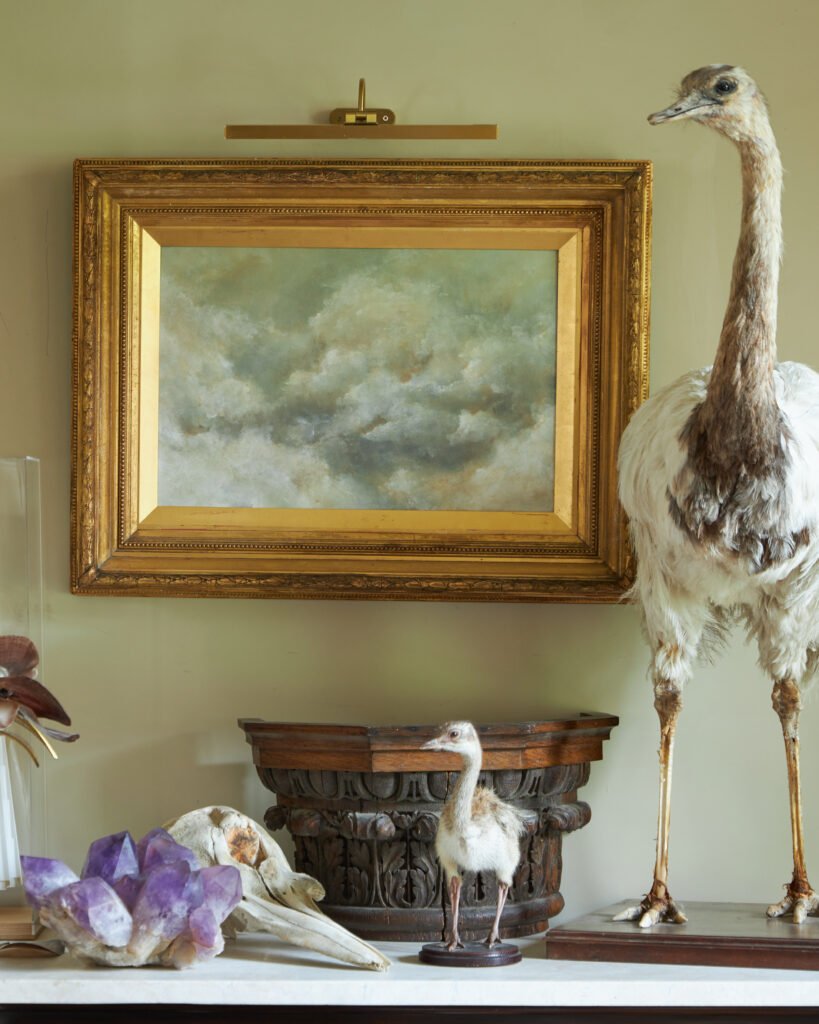
Minerals and objects at Parnham

Collecting

On Minerals and Meaning

Why amethyst, agate, and petrified wood are the new antiquities.

January 2026

James Perkins at Parnham

Interiors

The Campaign Chair Returns

Tan leather, brass fittings, and the enduring appeal of furniture that has been somewhere.

December 2025

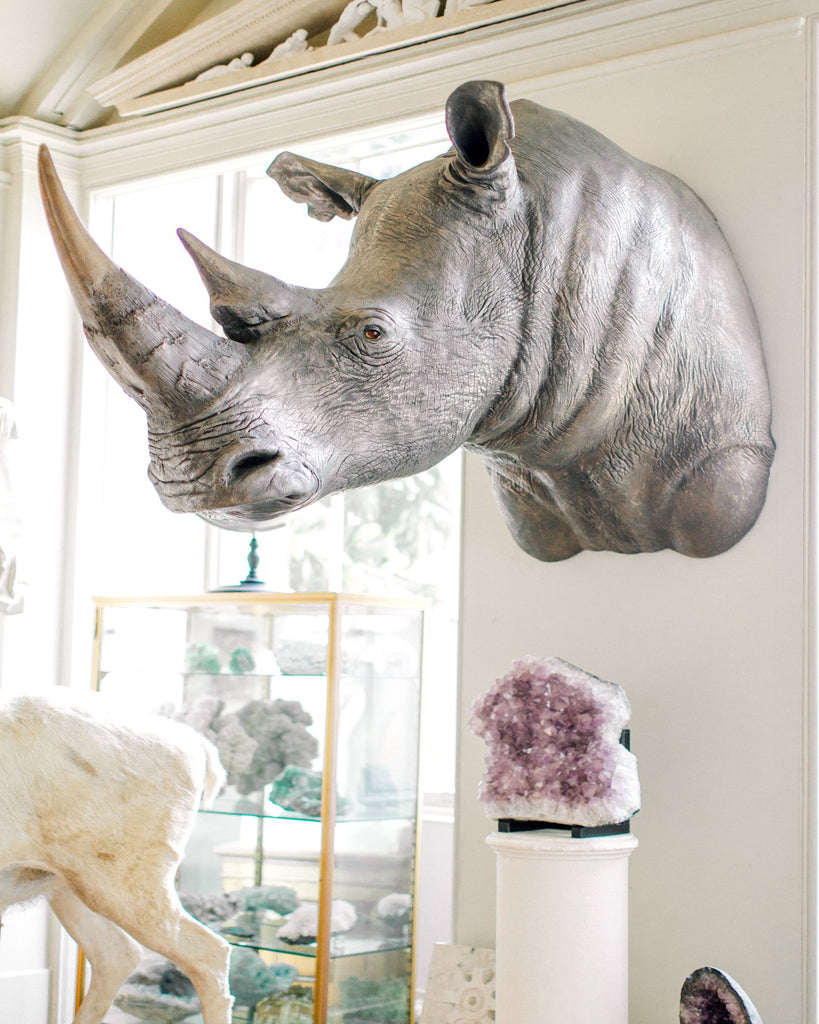
Golden rhinoceros sculpture

Craft

Duval-Brasseur: The Sculptor of Light

On the French designer who turned insects into wall sconces and petrified trees into tables.

November 2025

Parnham Park from the drive

Travel

The Jurassic Coast: A Collector’s Guide

From Charmouth to Lyme Regis — where to walk, what to find, and how to look.

October 2025

The Flying Giraffe — James Perkins

No. 008

James Perkins

The Flying Giraffe and Other Necessary Objects

James Perkins does not make decorative objects. He makes arguments — about scale, about humour, about the kind of beauty that refuses to be polite. The Flying Giraffe is not a sculpture. It is a position.

His studio at Parnham produces work that sits at the intersection of the monumental and the absurd — and it is precisely this tension that makes it so compelling to live with.

Read

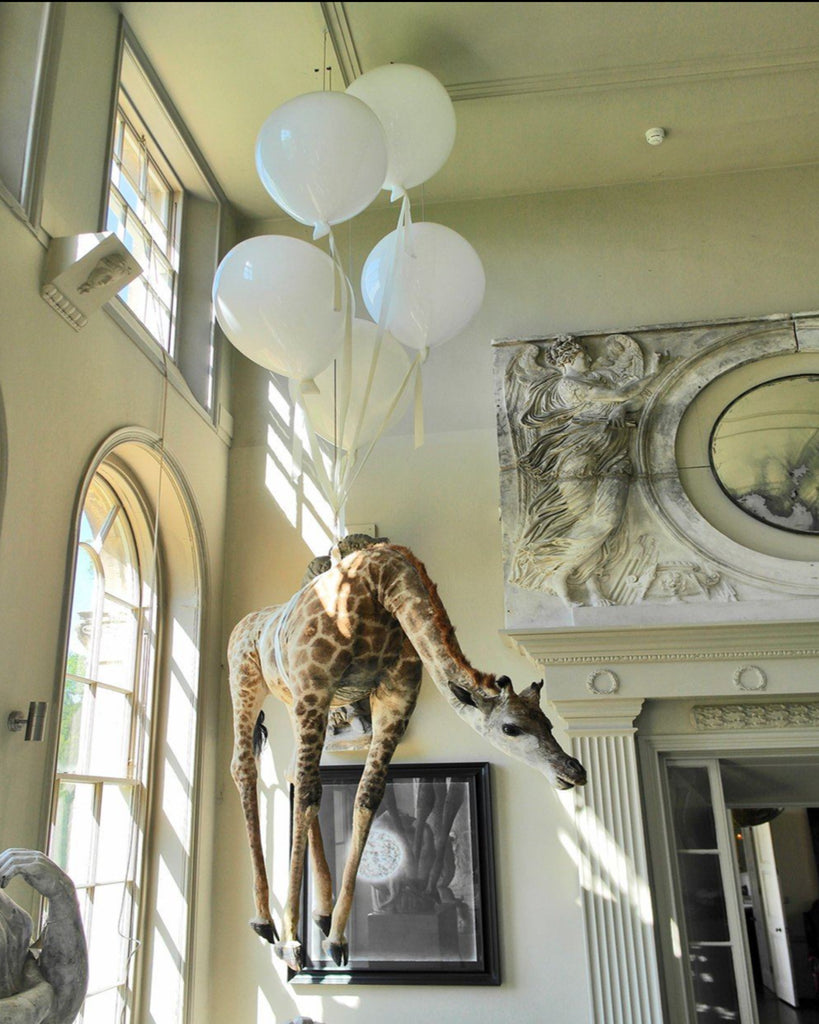
The Flying Giraffe is not a decorative object. It is, as James Perkins will tell you if you ask him, a position. The position is this: that scale is not a problem to be solved but a quality to be inhabited; that humour is not the opposite of seriousness but its highest expression; and that the most interesting things to live with are the things that refuse to be polite.

The giraffe stands approximately three metres tall. It is cast in bronze, patinated to a warm dark gold, and suspended in a posture of improbable grace — neck extended, legs gathered, as if caught in the moment between earth and air. It was made in the studio at Parnham over the course of eight months, by a process that Perkins describes as “controlled accident.” The armature was built first. Then the clay. Then the wax. Then the bronze. At each stage, something unexpected happened, and at each stage, the unexpected thing was kept.

This is the method that runs through all the studio’s work. Not the imposition of a predetermined form, but the discovery of a form that was already there, waiting to be found. The bronze animals, the plaster casts, the carved stone — all of them carry this quality of having been arrived at rather than designed. They look, in the best possible sense, inevitable.

The Flying Giraffe sold to a collector in New York, who installed it in the entrance hall of a house in the Hamptons. Perkins has not seen it since it left the studio. He says he does not need to. He knows what it is doing there.

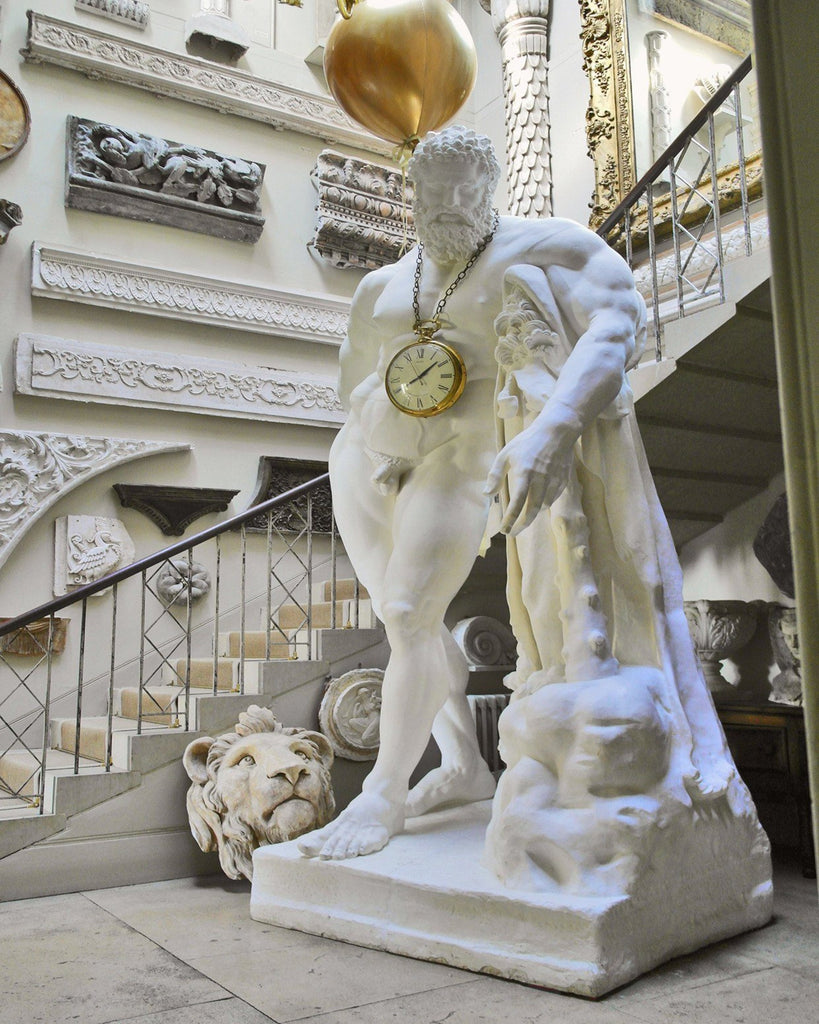
Hercules sculpture at Parnham

Interiors

On the Scroll-End Sofa and the Death of the Modular

Why the most interesting rooms are furnished with conviction, not flexibility.

September 2025

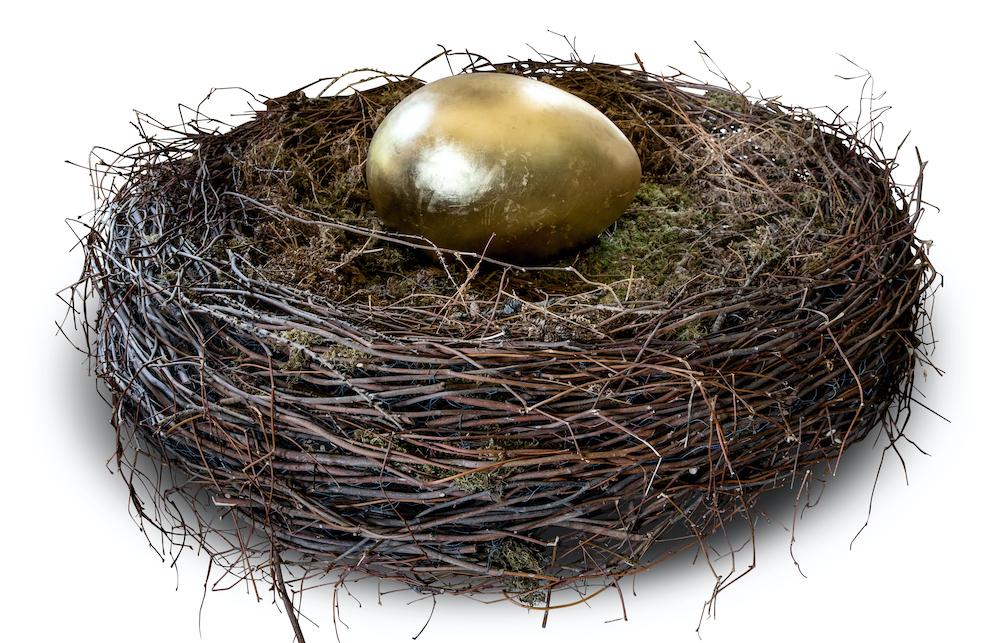
Golden egg in nest — James Perkins

Collecting

The Convex Mirror: Vanity, Optics, and the Regency Room

A brief history of the most theatrical object in the English interior.

August 2025

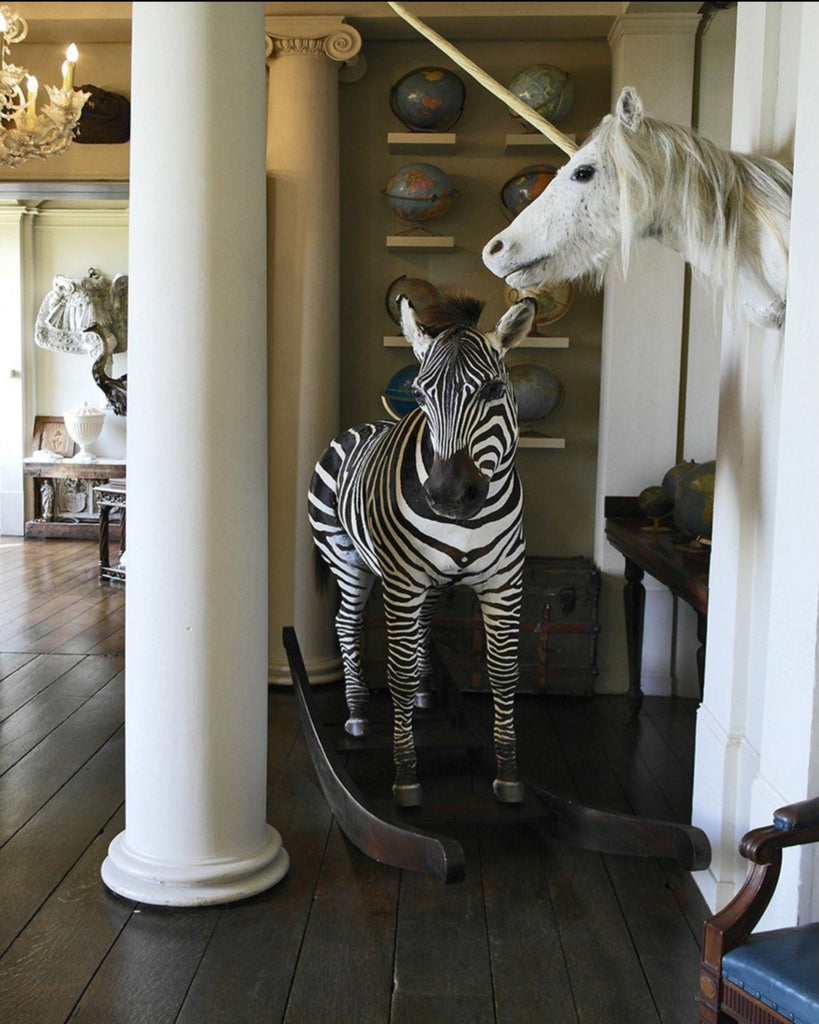
Rocking zebra — James Perkins studio

Craft

Thomas Hope and the Grammar of the Grand Tour

How one architect’s obsession with antiquity became the blueprint for the English interior.

July 2025

A Modern Grand Tour
A Modern Grand Tour Enter
A Modern Grand Tour
A Modern Grand Tour Enter